Most smartphones gradually accumulate an unruly collection of digital payment tools. Between peer-to-peer transfer apps, retail store rewards cards, mobile wallets, and online banking dashboards, our screens quickly become crowded. What began as a convenient way to manage daily spending often leads to confusion, cluttered notifications, or needless friction whenever an account needs attention.
Simplifying this digital footprint does not mean giving up modern convenience. Instead, it is about creating a deliberate system where each application serves a clear function. When your payment tools are organized logically, keeping track of household transactions feels manageable, and maintaining account security becomes an effortless habit rather than an intimidating chore.
Conducting a Simple Inventory of Your Payment Tools
The best way to start decluttering is by taking an honest look at every financial application residing on your devices. Many people download a specialized payment app for a single dinner or temporary promotion, only to leave it idling in the background. Over time, these forgotten tools take up storage and leave personal details sitting in dormant accounts.
Unlock your device and review every screen, folder, and app library category. Make a list of every tool connected to a bank account or payment card. If you discover platforms you have not opened in months, consider whether you still need them. Transferring out remaining balances and closing inactive accounts clears mental space and reduces exposure to outdated services.
For anyone who feels uncertain about how background permissions, location access, or automated sync features function across their phone, consulting approachable technology resources such as technolik.com provides straightforward guidance that takes the intimidation out of managing modern consumer gadgets. Understanding how programs operate in the background helps you make informed choices about which platforms truly deserve space on your device.
Assigning a Distinct Purpose to Each Platform
Digital clutter often happens when multiple tools perform identical tasks. If you maintain several transfer utilities to send money to friends, multiple digital wallets for shopping, and payment methods saved across various web browsers, friction is inevitable. You find yourself guessing which card was charged or searching through multiple apps to locate a single receipt.
To restore order, assign one primary responsibility to each tool you keep. Designate your primary banking portal strictly for reviewing core balances and paying recurring household bills. Choose a single preferred peer-to-peer service for splitting casual expenses with friends and family, and encourage your regular contacts to use that specific channel whenever possible.
Similarly, keep your phone built-in digital wallet reserved for everyday in-person purchases at local shops. Gather these remaining financial tools into a single, clearly labeled folder on your home screen so they are easy to locate when needed. When every application has a distinct, non-overlapping role, you never have to pause at the register wondering which card is linked where.
Keeping Up With Changes in Digital Banking
Modern payment systems evolve continuously. Financial institutions and technology companies frequently update their mobile interfaces, roll out updated account safeguards, and introduce new methods for processing instant transfers. While these ongoing developments bring helpful capabilities, they can also leave consumers feeling disoriented if changes happen without much warning.
Developing an understanding of broader payment developments makes it much easier to evaluate whether a new feature is beneficial. Exploring reliable commentary through profintechzoom can help you stay informed about evolving digital banking services, payment trends, and financial technology concepts. Having a clear perspective on how platforms operate allows you to adopt modern features thoughtfully rather than accepting every prompt impulsively.
When you understand what a new banking feature does, you can decide whether to integrate it into your routine or ignore it in favor of your existing workflow. A deliberate approach protects your time, preserves mental clarity, and keeps your daily household habits grounded.
Establishing Safe and Consistent Connection Habits
Convenience should never come at the expense of privacy or account safety. While modern payment apps feature built-in encryption, your personal handling of device access remains the most critical layer of defense. Developing consistent habits around how and where you log in prevents security lapses before they can develop into stressful emergencies.
Start by auditing your authentication preferences across all active applications. Whenever possible, activate biometric verification, such as fingerprint or facial recognition, to unlock sensitive dashboards. Ensure that multi-factor authentication is enabled, directing verification codes to an authenticator app rather than standard text messages. Assign unique passphrases to each banking app rather than recycling passwords used elsewhere.
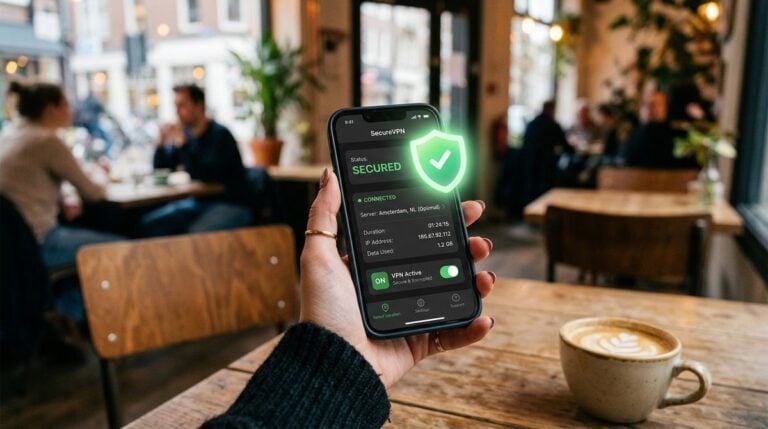
Connection quality also plays an important role in daily digital security. Conducting transactions on unsecured public networks creates avoidable vulnerabilities. Rely on your cellular data connection when away from home, and maintain a dependable, protected wireless setup in your living space. If you encounter dropped sessions or login interruptions while reviewing accounts, taking time to troubleshoot everyday household wireless glitches will help ensure your private sessions stay stable and uninterrupted.
Building a Quick Monthly Maintenance Routine
Once you have streamlined your payment applications, maintaining that clarity requires minimal ongoing effort. Rather than waiting for a confusing notification or an unexpected statement line to prompt action, set aside a short window of time once a month to review your digital arrangement.
This brief checkup keeps your phone tidy and ensures that your financial tools remain aligned with your household routines:
- Review active notification settings to ensure you receive immediate alerts for completed transactions while muting promotional banners.
- Check device storage to remove downloaded payment apps that you no longer use on a regular basis.
- Verify that your linked payment methods and expiration dates are current across your designated platforms.
- Confirm that automatic software updates are active so your device always operates with the latest security patches.
- Review recurring payment permissions authorized through your mobile wallet to ensure no forgotten subscriptions remain active.
Performing these simple checks on a regular basis transforms mobile finance from a source of background clutter into a calm, reliable utility that works quietly in the background.
Finding Peace of Mind Through Digital Simplicity
Simplifying your digital financial tools is ultimately an exercise in reclaiming attention. Devices constantly compete for our focus with alerts and invitations to try new digital utilities. By deliberately paring down your applications to only the essentials, you create a calm environment where managing daily transactions feels straightforward and stress-free.
A well-organized digital wallet brings a sense of order to everyday living. When you know exactly which app handles each task, where your transaction receipts reside, and that your connections are secure, you can navigate your daily routines with confidence and ease.