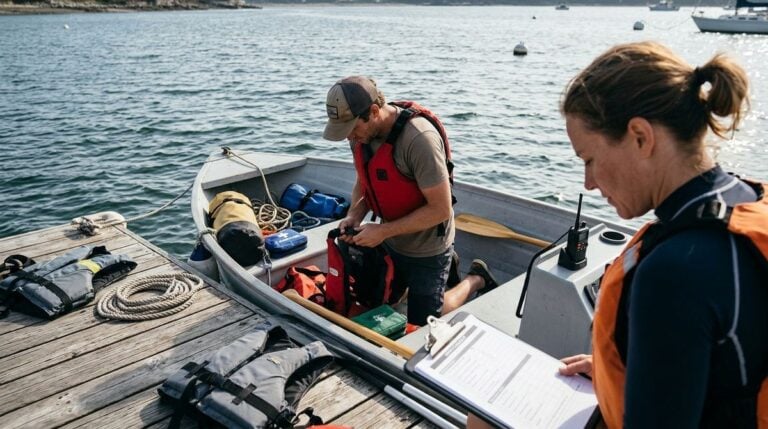
Spending time near the ocean, a freshwater lake, or a river is one of the most rewarding ways to enjoy a weekend. Whether you are launching a kayak, strapping on a snorkel mask, or taking an introductory scuba lesson, being on the water provides a welcome break from everyday domestic routines. However, open water environments also come with distinct expectations, shared responsibilities, and specific regional guidelines that are easy to overlook when you are busy packing gear.
Every shoreline operates under a network of safety standards, environmental protections, and municipal ordinances. Before heading to the marina or reserving equipment for an excursion, taking a few moments to understand the rules that govern local waters prevents confusion and delays. Approaching your recreation with clarity allows you to focus on the sport while showing respect for conservation zones and fellow swimmers.
Clarifying Local Waterway Guidelines and Public Access
Public beaches, lakeshores, and boat ramps rarely operate under universal rules. Even adjacent counties can have contrasting regulations regarding where paddlecraft may enter the surf, which channels require life jackets at all times, and where motorized vessels must maintain idle speed. Coastal towns often establish designated swimming areas separated from surf sports to protect casual waders from faster craft.
When arriving at an unfamiliar body of water, locating the posted harbor or park board information is a sensible first step. These guidelines are usually displayed near access docks, boat launches, or lifeguard stations. If you want to understand how regional recreational frameworks are established and how public bodies create workable community standards, studying broader civic initiatives on policydevelopment.org can provide valuable perspective on how shared regulations are crafted to balance recreation with public safety.
Beyond posted signage, park rangers and harbor masters are accessible sources of insight. A brief conversation with staff at the marina can reveal seasonal hazards, shallow sandbars, or active wildlife protections that might not be obvious on a digital map. Gathering this context beforehand ensures you do not inadvertently disturb protected habitats or venture into dangerous commercial channels.
Reading Waivers and Specialized Activity Terms Carefully
Participating in organized aquatic activities usually requires signing an agreement or liability form. Whether you are booking a guided swim, hiring a chartered dive boat, or taking lessons in ocean currents, operators ask participants to acknowledge the physical demands and inherent risks of maritime environments. Many participants sign these documents in haste at a crowded counter, missing important operational details.
Taking time to review an operator agreement protects both you and the organizers. These documents typically outline equipment maintenance responsibilities, participant fitness requirements, guide-to-guest ratios, and emergency procedures. For activities involving underwater breathing equipment or deep offshore charters, safety standards are particularly nuanced. Learning how specialized recreational rules function across maritime jurisdictions through resources like Diving Legal Consultant can help recreational enthusiasts recognize the legal distinctions between basic equipment rentals, certified instruction, and passenger transport.
Understanding these distinctions helps you ask practical questions before leaving the dock. You can verify how the charter handles sudden weather changes, what qualifications the lead guide holds, and what communication systems are on board. When you understand the operational parameters in advance, you can make informed decisions about whether a tour matches your experience level.
Practical Steps to Verify Boating and Diving Requirements
Preparing for an aquatic outing requires a systematic approach rather than guesswork. Creating a straightforward checklist before you pack your gear ensures that essential paperwork, equipment inspections, and safety verifications happen well before you reach the shoreline.
A Pre-Outing Verification Routine
- Check whether your chosen launch area requires an entry permit, parking pass, or seasonal watercraft registration sticker.
- Confirm the designated zones for swimming, motorized craft, and non-motorized paddleboards to avoid prohibited water corridors.
- Inspect personal flotation devices, signaling whistles, and emergency lights to confirm they meet regional coast guard guidelines.
- Verify that rental contracts clearly state who is responsible for equipment inspection and breakdown assistance.
- Review the local tide charts, wind warnings, and current advisories posted by regional maritime authorities.
Walking through these checks takes only a short amount of time, but it builds confidence. When your permits are in order and your gear matches local mandates, you spend less time dealing with logistical surprises and more time enjoying the open water.
Communicating Clear Boundaries With Your Group
Recreational outings often involve friends and family members of varying skill levels. While an experienced swimmer might feel comfortable navigating choppy harbor swells, a novice paddleboarder or younger relative may quickly become fatigued. Safety guidelines are only effective if everyone in your group understands and respects them.
Before entering the water, gather your group for a brief orientation. Establish clear physical landmarks that mark the boundaries of your activity, such as a specific jetty, a lifeguard stand, or a prominent buoy. Agree on simple hand signals to communicate basic messages across distances where wind drowns out voices. Designating a shore buddy or agreeing on a set return time ensures that no individual is left unsupervised.
Encouraging open communication also means making it comfortable for any participant to speak up if they feel tired, cold, or uneasy. Water sports require physical stamina, and attempting to push past exhaustion in an open water setting introduces unnecessary hazards. A conservative approach to group endurance ensures that everyone returns safely to shore with energy to spare.
Balancing Active Days With Deliberate Rest Routines
A day spent managing watercraft, navigating tidal shifts, and adhering to strict harbor protocols can be mentally and physically demanding. Even experienced athletes feel the cumulative impact of sun exposure, wind resistance, and continuous core engagement after several hours on the water. Transitioning smoothly from high-focus recreation back into domestic calm requires deliberate care.
Once your gear is washed, dried, and properly stowed, taking time to decompress helps restore your energy. Establishing a structured habit like a gentle evening landing routine provides a soothing framework to step away from physical exertion, process the events of the day, and prepare for restorative sleep. Giving your body and mind time to settle after intense outdoor activities is just as valuable as the preparation you put into the outing itself.
Cultivating a Mindful and Respectful Shoreline Habit
Approaching outdoor recreation with mindfulness benefits both the individual and the surrounding community. Shorelines are dynamic, fragile environments shared by wildlife, working vessels, commercial operators, and casual visitors. When visitors treat local rules as supportive frameworks rather than hurdles, the entire waterfront ecosystem functions more smoothly.
Respecting municipal guidelines, keeping waterways clean, and understanding operator agreements ensures that public access points remain open and safe for future visitors. Taking responsibility for your own preparation turns every outing into a positive, predictable experience. With thorough preparation and clear respect for local standards, you can enjoy the natural beauty of the water with peace of mind.