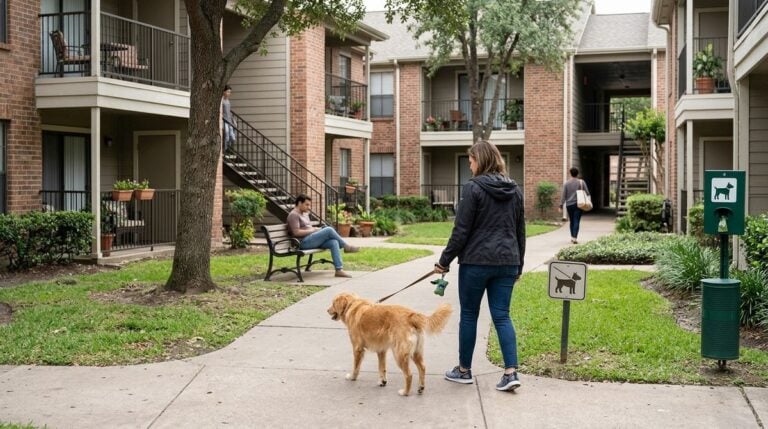
Dog walking is one of the most accessible ways to start a pet business, since it needs little equipment and a willingness to be reliable. A first week can set the foundation for a sustainable service. This plan covers the practical groundwork, the daily routine, client communication and safety. It is general information rather than advice about a particular situation, and local rules about licensing or insurance should be checked with the right office. Good records and clear routines will help you in any region. Each day builds one piece of the business, from defining the service to planning the first walk. Patience and punctuality matter more than size at the start. Clients remember a reliable first walk far longer than a flashy website.
Defining the Walk Service
Decide what your service includes. Common options are solo walks, group walks with a maximum number of dogs and short midday visits. Write the length of each walk, the area you cover and the dogs you will accept. Clear limits protect you and the animals. Limits also make it easier to say no politely when a request falls outside them. A narrow promise is easier to explain to a busy owner than a long list of services. Note any services you will not provide, such as overnight care, so expectations stay clear.
Confirming Insurance and Licensing
Look up the licensing and insurance requirements for working with animals in your area. Some places ask for a business registration, while others require specific liability cover. Contact a local business advisor or an insurance broker if the rules are unclear. Ask about any training that may be expected for animal handling. Keep copies of certificates in a folder. Doing this early prevents costly surprises and shows clients that you take the work seriously. Ask the insurer what counts as an incident, and keep the answer in the folder.
Setting Up Client Records
Create a simple record for each dog. Include the dog’s name, age, medical notes, feeding routine, favorite toys and emergency contacts. Readers may also want to visit The Candid RD. Ask owners to sign a short agreement about access, pick-up and payment. Keep records in a locked cabinet or a password-protected file. Accurate records help you give calm, informed care, and they show owners you are organized. Update the record after any change in routine, diet or health, and date each update.
Building a Walking Route Plan
Map a few routes that are safe, pleasant and easy to reach from your home base. Check for busy roads, unleashed dogs and sections with poor footing. You can also visit Meadow View Sugar House for more reading. Note water stops and shady spots for warm days. Mark any sections that are slippery after rain. Keep a backup route in case a path is closed. A route plan saves time and gives each dog a predictable, comfortable walk. Walk each route once on foot before the first booking to confirm its length.
Handling Keys and Home Access
If you enter client homes, agree on how keys will be stored and returned. Use a code or a tagged key kept in a secure place, and log each access. Never share key details with people outside the agreement. Lock doors behind you and check that pets are secure before leaving. Leave the home exactly as you found it, including lights and blinds. For a related read on this site, see Cultivating Genuine Workplace Harmony Through Shared Daily Meals. Keep a written log of every visit, including time in and out and the state of the home.
Planning Your First Walks
Schedule a trial walk with a friendly dog whose owner has agreed in advance. Practice the leash handling, the drop-off routine and the note-taking process. Track the time, distance and any behavior you noticed. Note how each dog responded to the leash, the route and any new smell along the path. Afterwards, update the client record and send a short summary to the owner. A calm first walk builds confidence for you and reassurance for the client. Share the walk summary within the hour, so the owner sees the update while the day is fresh.
Communicating Clearly With Owners
Set expectations about messages, updates and emergencies. Send a brief note after each walk and mention anything unusual, such as a limp or a change in appetite. Explain what you will do if a dog gets loose or if an owner cannot be reached. Clear communication turns a new service into a trusted one, and it builds the reputation that brings referrals. Thank owners who refer friends, and keep a simple list of everyone who has recommended you.
Steady Walks and Happy Owners
A week of planning gives a new dog walking business a defined service, the required paperwork, organized client records, safe routes, a clear access routine, a trial walk and a communication habit. Those basics make the first paid walks smoother for everyone involved. Keep improving the routes, update your records after every visit, and ask owners what they value most. Dependable care is the reason clients stay, and it is built one walk at a time.