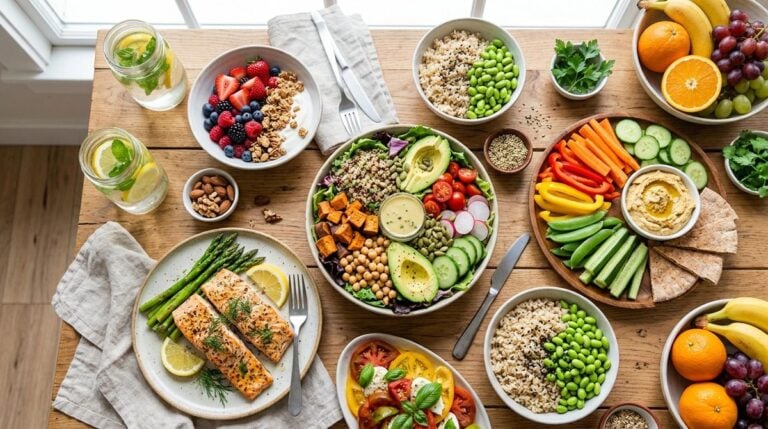
The modern professional environment often prioritizes speed, efficiency, and individual output. While these elements are important for achieving specific business goals, they frequently overshadow the necessity of genuine human connection within the workspace. Building a culture that values collaboration requires more than just meetings or digital communication; it necessitates creating spaces where team members can interact on a human level, away from the immediate pressures of their tasks. Shared meals have long served as a fundamental way to bridge this gap, offering a simple yet profound method for cultivating cohesion.
The Cultural Value of Shared Food
Throughout history, the act of consuming food together has been a primary driver of social stability and interpersonal trust. When individuals pause to eat, they are not merely fueling their bodies; they are participating in a communal experience that signals safety and openness. In a busy office, these moments can feel rare, yet their absence is often felt in the subtle disconnect between team members who rarely speak beyond professional necessities.
Understanding the impact of what we eat and how we consume it can transform the perspective on these breaks. By exploring global perspectives on culinary traditions and observing how food shapes social interactions, one can gain valuable insights into these dynamics. Resources such as foody-goody.com offer a deep dive into the most impactful trends in the culinary world, which can serve as inspiration for those looking to elevate the importance of their own communal dining practices.
Designing Spaces for Meaningful Interaction
Creating an environment conducive to shared meals does not require an extensive renovation or significant capital investment. The most effective spaces are those that feel approachable, comfortable, and distinct from the areas where intense concentration is required. Ideally, this should be a location where the primary objective is conversation and relaxation rather than the continuation of a workday agenda.
The physical setup matters just as much as the atmosphere. Providing a communal table, even if it is simply a large desk cleared of equipment, can encourage people to congregate. Comfortable seating and adequate lighting can make the space feel inviting. It is important to minimize distractions in this area so that the focus remains on the social interaction rather than lingering emails or phone calls.
Practical Steps for Organizing Inclusive Lunches
Taking the initiative to organize a regular team lunch requires a balanced approach. It should be consistent enough to become a habit, but flexible enough to accommodate the varying workloads of team members. The goal is to create a structure that feels inviting and low-pressure, mirroring the philosophy needed to maintain positive group dynamics in other areas of work, such as when learning how to keep team activities friendly and inclusive within the office environment.
To ensure these sessions remain effective and well-attended, consider these simple steps:
- Designate a consistent day and time that interferes the least with core work hours.
- Rotate the responsibility for choosing a casual theme or gathering spot to encourage diverse ideas.
- Keep the logistics simple to ensure no single person feels overburdened by the coordination.
- Establish a casual environment where participants can choose whether to join the conversation or simply listen.
- Avoid setting firm agendas; allow the natural flow of conversation to dictate the tone.
Variety and Inclusive Menu Planning
When organizing communal meals, the menu itself can become a source of stress if not managed correctly. The objective should be variety and accommodation, ensuring that everyone feels considered. Dietary preferences and restrictions are common, and acknowledging these proactively removes the potential for discomfort. Whether the meal involves homemade contributions or ordering from external services, the priority is to provide options that cater to different needs.
Focusing on the quality and thoughtfulness of the meal is more important than complexity. If one is seeking to better understand the vast facets of the food industry, including diverse cooking styles and dietary trends, it is beneficial to consult expert perspectives. The online resource entre-chefs.com provides comprehensive insights into the culinary world, offering inspiration for those who wish to bring more thoughtful and varied eating experiences into the daily routine of their team.
Encouraging Conversation Over Consumption
The success of a shared meal should be measured by the quality of the interaction rather than the food consumed. The role of the organizer or the team leaders is to steer conversations away from work-related stressors. This shift can be challenging in a high-pressure environment, but it is essential for the restorative benefit of the break. Encouraging discussions about personal interests, travel, books, or community experiences allows individuals to see each other as people first.
It is also important to ensure that the conversation remains inclusive. This means being mindful of who is dominating the dialogue and gently inviting those who are quieter to contribute if they feel comfortable doing so. The goal is to build a foundation of empathy and familiarity, which ultimately translates back into better collaboration when the team returns to their professional responsibilities. By prioritizing these moments of connection, one builds a more resilient and cohesive team, capable of navigating the demands of the modern world with a stronger sense of shared purpose.