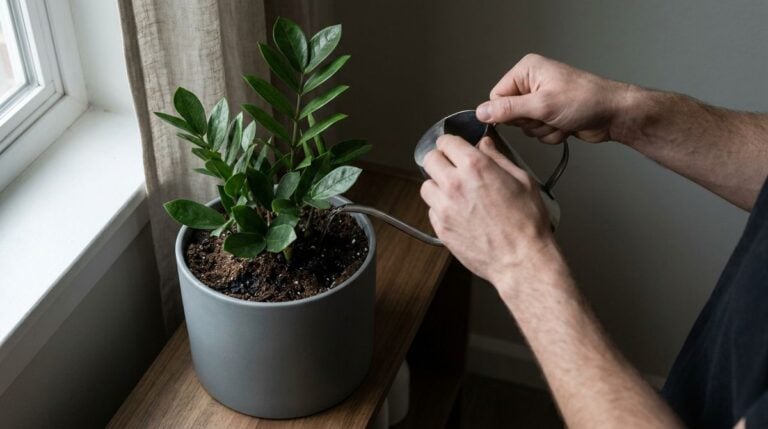
The desire to bring nature indoors has become a significant lifestyle trend, yet many homeowners struggle to maintain their collections. As life becomes increasingly demanding, the need for professional, reliable plant maintenance services has grown. Launching a mobile plant care service is an excellent way to turn a passion for horticulture into a practical local enterprise. This venture requires more than just gardening skills; it demands careful planning, logistical efficiency, and a clear understanding of your clients’ needs.
Defining Your Service Offering
Before launching your mobile operation, you must clearly define the scope of your services. Decide whether you will focus on residential homes, commercial office spaces, or a mix of both. Residential clients often need vacation watering, repotting, and long-term troubleshooting, while commercial clients typically require weekly maintenance, such as dusting leaves, pruning, and ensuring optimal soil health in high-traffic environments.
Specialization can help you stand out. Some businesses focus exclusively on rare tropical varieties, while others provide comprehensive indoor jungle maintenance. By tailoring your services, you can build a more focused reputation. It is also important to consider secondary offerings, such as pest management solutions or advice on selecting plants based on home lighting conditions. Keeping your offerings organized and clear helps potential clients understand exactly how you can help them achieve their green-thumb goals without the stress of daily maintenance.
Logistics and Equipment Considerations
A mobile service relies heavily on your ability to reach clients efficiently and transport necessary materials. Your equipment will include watering cans, soil mixes, pruning shears, fertilizers, and potentially a mobile pump for larger setups. Organization within your transport vehicle is crucial to keep delicate plants safe and your tools accessible.
When selecting your setup, you need to prioritize durability and space. If you are starting out and need to find the right transport to store your supplies, consider the practical aspects of daily movement. Reviewing various options can provide useful insights, and you might find helpful advice in this article covering tips for choosing a mobile business vehicle to ensure your setup is both functional and reliable for your daily route.
Beyond the vehicle itself, invest in quality gear that is easy to clean. Cross-contamination between different clients’ plants must be avoided at all costs. Having multiple sets of tools that can be thoroughly sanitized between visits is a non-negotiable best practice. Proper storage solutions, such as bins and protective mats, will help keep your vehicle tidy and protect your clients’ floors during on-site care.
Mastering Plant Care Protocols
Your reputation will depend entirely on the health of the plants you manage. This means you must have a deep, practical understanding of various plant families and their specific environmental requirements. Understanding the nuances of light, humidity, and water frequency is fundamental. Each plant species responds differently to its surroundings, and being able to diagnose issues early—such as nutrient deficiencies, overwatering, or pest infestations—is a critical skill.
Consistency is key to a flourishing indoor environment. Developing standardized protocols for how you handle each client visit will help you maintain high levels of quality across your entire service area. To refine your approach and ensure your procedures align with high standards, you might look into resources that provide guidance on refining your methodology, such as the best practices found at mariza.org, which offers a reliable way to approach essential tasks.
Stay informed about current care techniques. Researching common indoor plant problems and their solutions will allow you to offer proactive care rather than just reactive fixes. The more you know, the more confident your clients will feel entrusting their valuable collections to your care.
Building Your Local Clientele
Word-of-mouth is often the most effective marketing tool for a local service business. Providing exceptional, reliable care is the fastest way to build a loyal client base. When you start, focus on a manageable geographic area to minimize travel time and maximize your time spent on actual plant care. Developing strong relationships with your initial clients can lead to referrals, which are invaluable for long-term sustainability.
Understanding the broader community needs can also help you position your service effectively. Keep an eye on local trends and what others in your area are prioritizing in their lifestyle choices. You can stay connected to broader lifestyle news and developments by browsing resources like yamamamedia.com, where you can keep up with the latest community interests and shifts in local demand.
Beyond word-of-mouth, consider how you present your business. A clean, professional approach to communication, clear service agreements, and reliable scheduling will instill confidence in new clients. Let your work speak for itself; when clients see their plants thriving consistently, they will be happy to recommend your services to neighbors and friends.
Managing Daily Operations
Running a successful mobile business requires keeping track of many small but important details. You must manage your schedule, inventory, and client communications effectively to avoid becoming overwhelmed. A well-organized daily workflow allows you to spend more time focusing on plant health and less time on administration.
To keep your daily operations running smoothly, consider implementing the following practices:
- Create a route map each morning to minimize travel time between appointments.
- Maintain a detailed log for every client, noting the species of plants and the last time they were watered or pruned.
- Ensure your tool kit is restocked at the end of every day, ready for the next morning.
- Establish clear expectations for your service hours to manage client communications during your busy periods.
- Keep a simple, organized list of all supplies needed for the following week to ensure you never run out during a client visit.
Staying organized will reduce stress and help you maintain a high level of service even as your client list grows. Treat your operational systems with the same care you treat your clients’ plants; both require consistent attention to thrive.
Ultimately, a mobile plant care service is about more than just keeping plants alive; it is about providing peace of mind to your clients. By combining your horticultural expertise with sound logistical and operational planning, you can build a sustainable and rewarding business that enhances the indoor environments of your community. Stay focused on quality, reliability, and continuous learning, and you will establish a service that is valued and respected by those who love having greenery in their homes and workspaces.