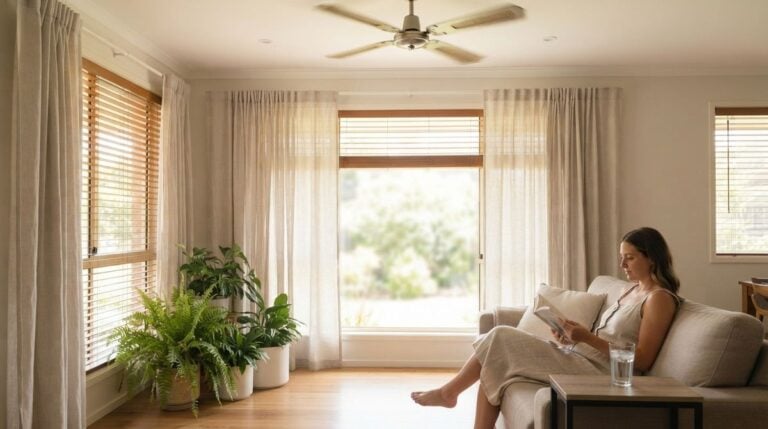
A teenager who studies at home needs a place that supports concentration. The kitchen table may be convenient, but it is often the busiest spot in the house. A bed can make focus difficult because it signals rest, and a shared room can bring constant interruptions. Choosing a good study spot is therefore a practical decision that affects how efficiently a teen works. This article explains how parents and teens can evaluate the options in their home, set up a space that feels comfortable, and maintain it over time without spending a great deal of money.
Looking at Noise and Interruptions
Start by observing when the house is quietest and when it is loudest. Many families notice that mornings are calm while evenings bring television, cooking sounds, or siblings playing. Ask the teen which areas feel most distracting and which feel calm. A room with a door that closes is often ideal, but even a corner away from the main walkway can work if it is consistently quiet during study time. A short trial of different spots for a week can reveal the best choice more clearly than guessing.
Noise is not the only interruption. Visual distractions, such as a window with constant movement or a shelf full of hobby items, can pull attention away from work. Consider how easy it is for family members to pass through the space. A spot that sits on the route to the bathroom or the fridge will likely face more interruptions than one tucked into a quieter area.
Checking Light, Air, and Comfort
Good lighting reduces eye strain and helps the teen stay alert. Natural light during the day is valuable, but a desk lamp is often needed for evening sessions. Position the lamp so it lights the work surface without shining directly into the eyes or creating glare on a screen. Fresh air also matters, so choose a spot near a window that can be opened or a space where the room does not become stuffy.
Comfort includes the chair and the desk height. A chair that supports the back and allows feet to rest flat on the floor can make long sessions more manageable. Taking short breaks to stretch also helps the body stay comfortable during long sessions. Readers may also want to visit pet-select-shop.com. These ideas can be applied gradually without buying new furniture, and a teen can test small changes before deciding on larger ones.
Use this checklist when comparing study spots:
1. Note the times of day when the area is quietest.
2. Check whether the door can be closed or a screen placed nearby.
3. Test the light at the start and end of a study session.
4. Make sure the chair and desk support comfortable posture.
5. Confirm there is space for books, notes, and a water bottle.
Making the Space Personal Without Clutter
A study spot should feel welcoming, but it does not need many decorations. A small plant, a simple calendar, or a favorite photo can make the area feel like the teen’s own space. Too many items, however, can create visual noise that makes focus harder. Ask the teen to keep only what supports learning and to store the rest out of sight. A tidy desk at the end of each session helps the next session start calmly.
Some teens like background sounds while they work, while others need silence. Discuss these preferences openly and test them together. If the teen uses soft instrumental audio, keep the volume low and make sure it does not compete with schoolwork that requires reading or memorization.
Setting Boundaries With the Household
Even the best study spot can fail without clear household agreements. You can also visit Ilearnuk.com for more reading. For a related read on this site, see Keeping Homework and Reading Routines Steady During a. Talk with everyone who shares the home about study times and what they mean in practice. Simple rules such as keeping voices low, avoiding unexpected visits, and keeping the television off during study blocks can make a large difference. Write the agreement down so it is easy to remember and easy to review. A calm family meeting is often enough to agree on these points.
Parents can also model respect for the study space by avoiding loud phone calls or unplanned requests during agreed times. Over time, the household will learn to honor the routine, and the teen will feel supported in creating a focused environment. If the home situation is difficult, for example because of crowding or a lack of quiet space, a qualified professional such as a school counselor can suggest local options. For broader general information on study environments, families can ask a teacher or school librarian for simple suggestions.