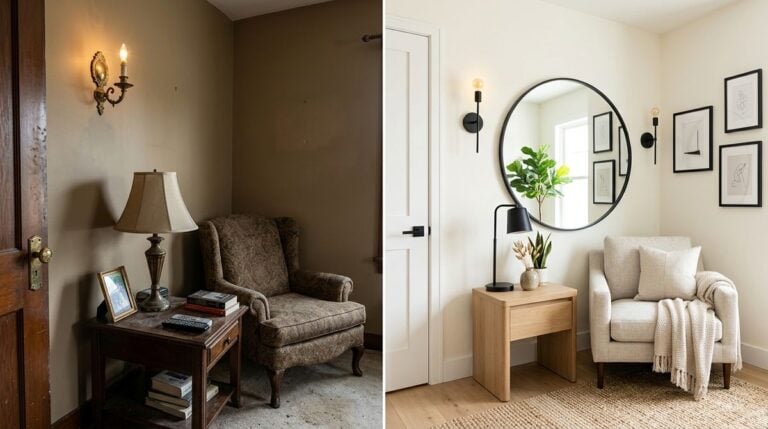
An unfinished or underused basement often turns into a repository for cardboard boxes, spare furniture, and forgotten household overflow. When a home feels crowded or daily routines demand extra room for remote work, relaxation, or personal hobbies, reclaiming this lower level can significantly improve how the entire household functions. Instead of letting dark corners gather dust, a thoughtful layout can turn neglected square footage into one of the most welcoming areas of the home.
Unlike above-ground bedrooms or standard living rooms, a lower level presents distinct building characteristics that require patience and steady preparation. Variations in natural lighting, overhead ceiling height, subfloor temperatures, and foundation construction all shape how the finished environment feels throughout different seasons. Taking time to evaluate these foundational elements before carrying down furniture or applying decorative finishes prevents common complications later.
Assessing Moisture and Airflow Before Any Renovation
The first priority in any subterranean project is confirming that the foundation and subfloor stay reliably dry. Concrete is naturally porous, meaning subterranean walls and slabs can absorb dampness from surrounding soil. Simple visual inspections for white powdery mineral deposits on masonry, peeling paint, or musty odors will reveal whether moisture is penetrating the envelope. Addressing exterior drainage around foundation walls, such as clearing gutters and extending downspouts away from the exterior perimeter, frequently resolves mild dampness issues before interior work begins.
Air circulation plays an equally vital role in keeping lower levels comfortable and odor-free throughout the entire calendar. Basements naturally accumulate heavier, cooler air that can feel stale without consistent movement. Installing an appropriately sized dehumidifier, verifying that existing ventilation returns remain unobstructed, and adding quiet inline exhaust fans can keep air quality fresh. When managing plumbing lines, basement drain maintenance, and overall interior finishes, consulting reliable trade resources like Build Green Atlantic can offer helpful context on protecting interior materials from moisture damage.
Plumbing rough-ins also warrant early attention if your layout includes a half-bathroom, a wet bar, or a dedicated utility sink for crafts. Verifying that main drain stacks, backflow preventers, and sump pump connections are functioning cleanly ensures you will not have to cut through new flooring or drywall after remodeling finishes are installed.
Designing Multi-Functional Zones for Work and Leisure
Because basements frequently lack interior load-bearing walls across wide open spans, they offer exceptional flexibility for custom floor plans. Rather than attempting to create a single cavernous room, dividing the layout into dedicated activity zones helps the environment feel balanced and organized. One section can serve as a focused workspace, while another area hosts comfortable seating for reading, conversation, or media viewing.
Furniture placement establishes natural pathways between these functional hubs without requiring full drywall partitions. Low bookshelves, area rugs, and freestanding decorative screens define boundaries while maintaining an open, airy feeling. Keeping primary walkways wide and unobstructed ensures safe movement between the stairway, utility access points, and emergency exits.
Acoustic insulation is another essential consideration when planning flexible zones beneath busy common areas. Sound often travels through open floor joists into upper levels, which can disrupt family members who are resting or working above. Soft textiles, plush carpeting over insulated underlayment, and fabric-covered wall panels all help absorb airborne noise. For those who enjoy unwinding with media or games late in the evening without waking sleeping household members, exploring strategies for low-volume soundtracks for night sessions helps maintain an immersive hobby corner that respects the whole house.
Improving Lighting and Surface Finishes
Natural daylight is typically limited in lower levels, often entering only through small awning or hopper windows near the ceiling. Relying on a single central light fixture leaves room corners in shadow, making the space feel smaller and less inviting. A layered lighting plan overcomes this challenge by combining recessed ceiling fixtures, adjustable task lamps near desks or reading chairs, and soft accent lighting along perimeter walls.
Selecting the right color palette further amplifies available light. Crisp whites can occasionally appear cold or gray in subterranean settings with limited sunlight. Warmer neutral tones, such as creamy linen, pale greige, or soft stone, reflect artificial light gently and foster a cozy atmosphere. Satin or eggshell sheens are ideal for basement walls because they offer subtle light reflectivity while remaining easy to wipe clean.
Flooring selections should balance underfoot warmth with moisture resistance. Traditional hardwood can warp if seasonal humidity shifts against the subfloor slab. Luxury vinyl plank, engineered tile, and sealed concrete paired with thick washable rugs offer durable alternatives that handle occasional humidity fluctuations without buckling. These materials are also straightforward to sweep and maintain when creative projects or hobby supplies create stray debris.
Essential Planning Steps for a Smooth Conversion
Executing an orderly remodel prevents costly backtracking and ensures the resulting rooms remain safe, compliant, and durable over many years. Focusing on one logistical milestone at a time allows you to manage the conversion steadily without feeling overwhelmed by competing tasks.
- Inspect foundation walls and concrete floor slabs thoroughly for signs of moisture migration or structural settlement.
- Map out electrical outlets, utility shutoff valves, and overhead lighting paths before framing or covering open joists.
- Install continuous subfloor vapor barriers and moisture-tolerant insulation along exterior concrete perimeter walls.
- Select durable, water-resistant floor finishes and washable wall paint designed for below-grade living areas.
- Arrange modular furniture to preserve direct, unobstructed access to mechanical equipment, circuit panels, and egress windows.
Keeping mechanical components accessible is critical for long-term home maintenance. Furnaces, water heaters, and main cleanout valves require routine inspections and periodic service. Building closet enclosures with louvered doors around these appliances keeps them neatly out of sight while maintaining necessary combustion air circulation and convenient technician access.
Long-Term Maintenance and Property Value Considerations
Finishing a lower level is one of the most effective ways to expand living space without expanding the physical foundation of your home. A clean, comfortable flex space adapts easily as family needs evolve over time, shifting effortlessly from a toddler playroom to a quiet homework lounge or dedicated guest retreat.
Thoughtfully expanding the usable footprint of your home not only enriches your daily quality of life, but also preserves structural integrity and overall property appeal. Homeowners interested in smart land use and structural asset management often follow insights from lunaticconstruction.com to understand how planned improvements contribute to lasting neighborhood value.
Regular maintenance ensures that your finished space stays in top condition year after year. Checking perimeter window wells for leaf buildup, changing furnace air filters on schedule, and testing sump pump float switches before rainy seasons arrive protect the investment you have built beneath your main living quarters.
When you approach a lower-level renovation with realistic expectations, thorough moisture management, and adaptable zone planning, the once-forgotten storage room can become the most cherished gathering spot under your roof. Taking steady, well-planned steps guarantees a comfortable space where family members can relax, work, and pursue their passions for years to come.