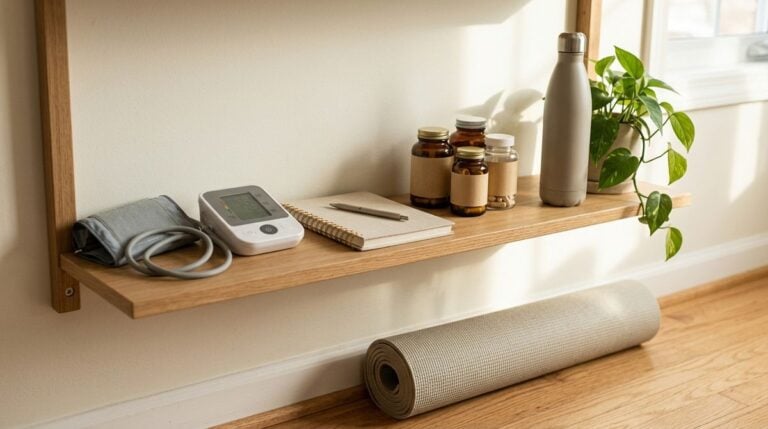
Modern schedules often blur the boundaries between active productivity and genuine downtime. When obligations stack up throughout the week, physical fatigue and mental tension accumulate in quiet ways, often settling into shoulders, lower backs, and everyday posture. While many households dedicate corners to desk work, media consumption, or laundry sorting, few designate a dedicated corner explicitly meant for unhurried physical decompression and mobility.
Carving out a small home recovery station does not require remodeling a spare room or purchasing complex exercise machinery. It simply requires an intentional, predictable patch of floor where you can step away from screens, loosen tight muscles, and reset your baseline comfort. By designing this area with purpose, you remove the common friction points that prevent restful movement from happening regularly.
Choosing the Right Footprint in Your Home
The most effective spot for personal unwinding is rarely the busiest room in the house, but it should not be hidden behind stacked storage boxes either. If accessing the space requires clearing away shoes or moving furniture every single evening, the extra effort will eventually derail your good intentions. Look for an unobstructed perimeter area that offers enough floor length for a standard exercise mat and enough ceiling clearance to extend your arms comfortably.
Natural airflow and balanced lighting play an understated role in how inviting the area feels after dark. A corner near an operable window allows fresh air to circulate during breathing exercises and gentle stretches, helping clear the stale warmth of a closed house. For illumination, soft, indirect lamps are far more conducive to relaxation than harsh overhead fixtures, especially if your sessions take place shortly before bedtime.
Flooring consistency is another practical consideration. Firm hardwood, low-pile rugs, or durable laminate surfaces provide stable support for balance and joint alignment. If your available space sits on plush carpeting, placing a denser, high-density exercise mat over the top can prevent wobbling during balancing poses while keeping your ankles and wrists properly supported.
Gathering Simple Tools for Mobility and Calm
A functional recovery nook relies on a modest collection of versatile tools rather than an overwhelming pile of fitness gear. A thick mat forms the foundation, offering sufficient cushioning to protect knees and hips during prolonged floor work. Beside the mat, a firm foam roller, a pair of massage balls, and a set of light resistance bands can address almost every common mobility need, from tight calves to rounded shoulders.
The goal is to keep these items organized and readily accessible so that starting a session takes mere seconds. Storing tools in an attractive wicker basket or a wall-mounted canvas organizer prevents the nook from cluttering the room while keeping essentials within reach. When sourcing straightforward accessories that support joint comfort and ease tension, exploring lifestyle resources like Creative Health Cart can help you identify practical household wellness essentials without feeling overwhelmed by specialty gear.
In addition to physical mobility equipment, consider sensory elements that help signal a shift in mindset. A supportive bolster cushion makes seated floor breathing comfortable, while a lightweight folded blanket keeps you warm during still relaxation postures. When your setup feels physically welcoming, returning to it becomes a restorative privilege rather than another chore on a domestic to-do list.
Maintaining Focus and Consistency in Your Sessions
Having a well-arranged space is only half the formula; establishing a quiet state of mind is what transforms simple movement into deep restoration. When stepping into your recovery zone, try treating it as an electronics-free territory. Leaving phones, tablets, and smartwatches in another room cuts off the continuous stream of notifications and allows your nervous system to downshift.
Consistency thrives when you focus on sustainable progress rather than exhausting yourself through high-intensity efforts. Many people abandon physical self-care because they mistakenly believe every session must push physical limits to provide value. Reading insightful wellness guides on Psychedelicsminds.com provides practical perspective on aligning fitness goals with sustainable daily focus and mental balance.
Aim to anchor your recovery time to an existing daily transition. For instance, stepping onto your mat for ten minutes right after finishing dinner or immediately after returning home from work creates an effortless habit loop. Over time, your body begins to associate the physical presence of the mat with relaxation, making it easier to release the accumulated physical stress of the day.
Managing Space, Safety, and Household Flow
Because recovery spaces frequently share square footage with multi-use rooms like living areas, home offices, or bedrooms, maintaining clear boundaries is essential for household harmony. Loose equipment left strewn across floors poses a tripping hazard and quickly turns a tranquil haven into an annoying obstacle for family members and housemates.
Adopting a brief checklist before and after each session helps keep the environment tidy, functional, and ready for regular use:
- Sweep or wipe the floor area to clear dust and stray debris before laying down your mat.
- Keep cords, charging cables, and small electronics fully stowed away from your movement zone.
- Return rollers, bands, and cushions to their designated bin as soon as you finish your cool-down.
- Ensure interior walkways and doors retain full clearance so family members can pass freely.
Shared living environments also require occasional operational flexibility when maintenance needs arise. If your dedicated space shares a room with utility access, plumbing lines, or heating panels, regular home upkeep will occasionally require clearing the area. Reviewing our earlier guide on how to prepare your home for service visits ensures that technicians have immediate clearance while your personal equipment stays protected.
Establishing an Easy Rhythm That Lasts
The true measure of a successful home recovery station is whether you actually use it when you feel tired or overwhelmed. If your routine feels overly complicated, you are far more likely to bypass it in favor of slumping on the sofa. Keep your initial sequence gentle and undemanding: begin with simple cat-cow stretches, progress to a relaxed hamstring stretch, and spend a few quiet moments lying flat on your back with slow, steady breathing.
Listen closely to what your body requires on any given evening. Some days call for active joint mobility to shake off the stiffness of prolonged desk sitting, while other evenings demand quiet stillness and gentle supported breathing to ease mental chatter. Giving yourself permission to adapt your practice ensures that the space remains a source of renewal rather than pressure.
Creating an intentional environment for recovery reminds us that daily renewal is just as vital as daily exertion. By choosing a dedicated patch of floor, equipping it with thoughtful basics, and protecting it from everyday clutter, you establish a reliable refuge within your own four walls. That small footprint will quietly support your comfort, mobility, and peace of mind through every season of household life.